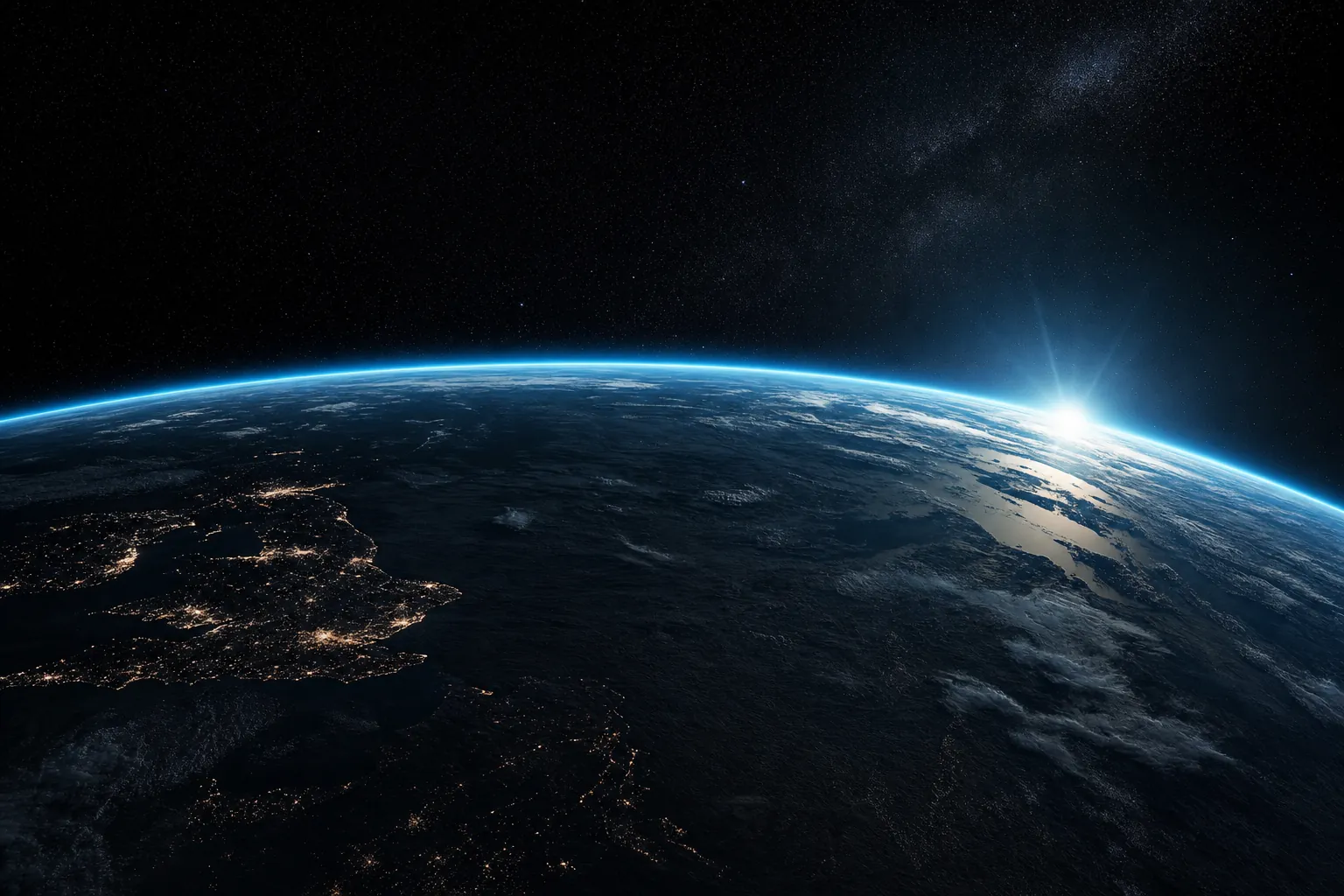
Independent space-technology desk
Making the cosmos accessible.
Orbit stopped being a national monopoly and started becoming an industry. FlyISS reports on the engineering and the economics that will decide whether a seat above the atmosphere ever costs what a long-haul flight does.
Scroll
Why this matters
Affordability is the whole story.
Every argument about humanity's future off Earth eventually collapses into one number: the price of moving a kilogram out of the atmosphere. For thirty years that number sat above $50,000 on the Space Shuttle. Reusable boosters cut it by an order of magnitude, and a fully reusable heavy-lift vehicle would cut it by two more — the difference between a government program and an industry (SpaceDaily).
That shift is already visible in orbit. Private crews now fly multi-day research missions, the first commercial spacewalk happened in September 2024, and the veteran ISS commander Chris Hadfield describes an era in which "it's possible to just buy a ticket and go to space for the price of a luxury car" (Wikipedia, TED Talks Daily transcript).
Meanwhile the platform that made continuous human presence possible is on a clock. The ISS is scheduled to be deliberately deorbited into a remote area of the Pacific in 2030 after hosting more than 4,000 experiments — and at least four commercial stations are competing to inherit its role (Space.com).
FlyISS exists to hold that transition to a standard: source everything, quote accurately, quantify the cost, and treat the reader as someone who could plausibly work in the industry.
Start here
Three ways into the story.
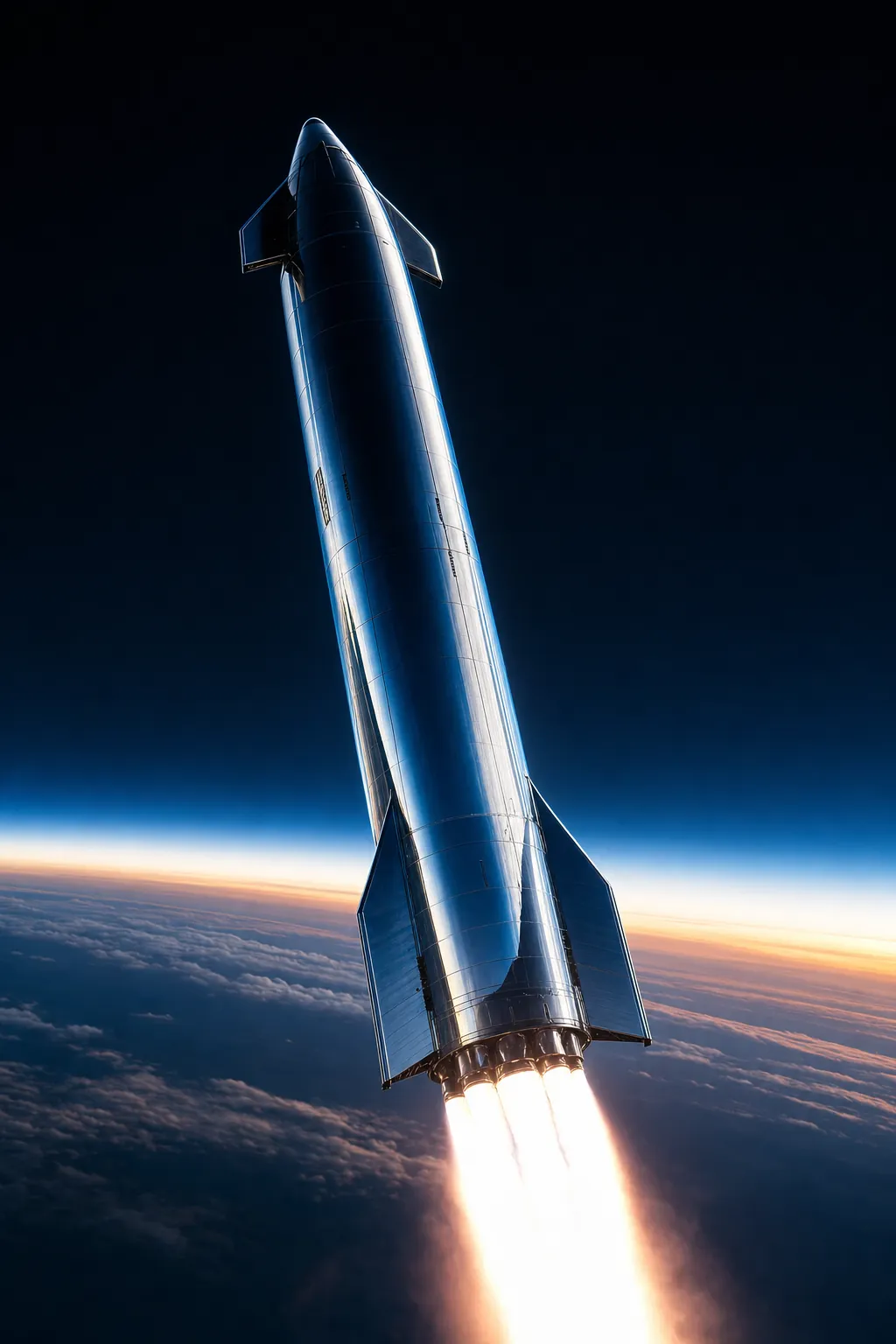
10 dispatches
Frontier Missions & Progress
From Starship's Flight 9 breakup to Artemis's annual landing cadence and the commercial stations racing to replace the ISS — each entry sourced to the operator or agency that published it.
Read the section
14 quotations
Voices from the Frontier
Sagan, Tyson, Hadfield, Cox, Mack, Kaku, Aldrin and Musk on why leaving the planet matters — reproduced verbatim, each linked to its source.
Read the section
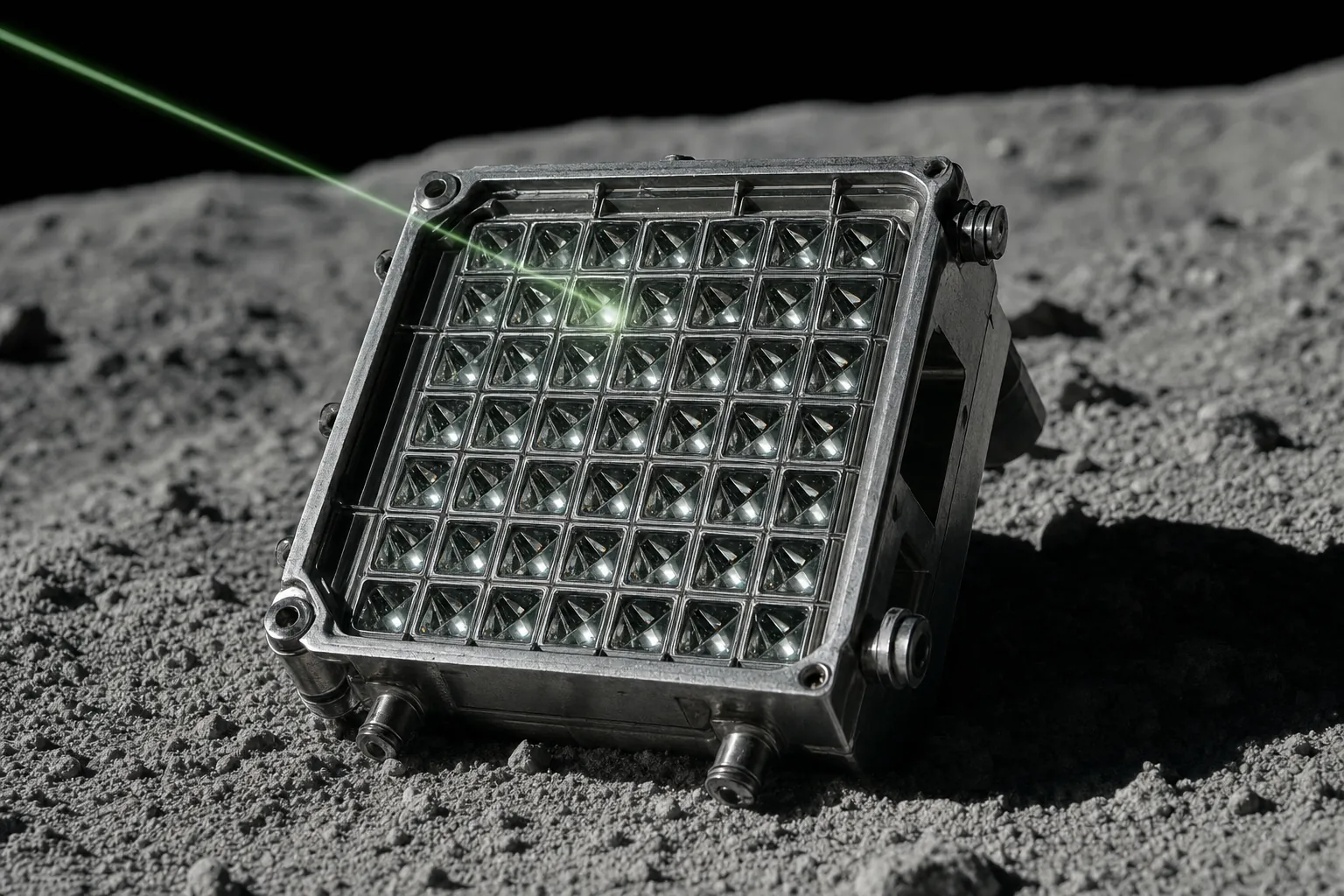
9 claims tested
Myth-Busting: Space Edition
Moon-landing hoaxes, the Van Allen belts, green-screened ISS footage, flat Earth, Nibiru and chemtrails — answered with the physical evidence.
Read the section
The strongest argument ever made
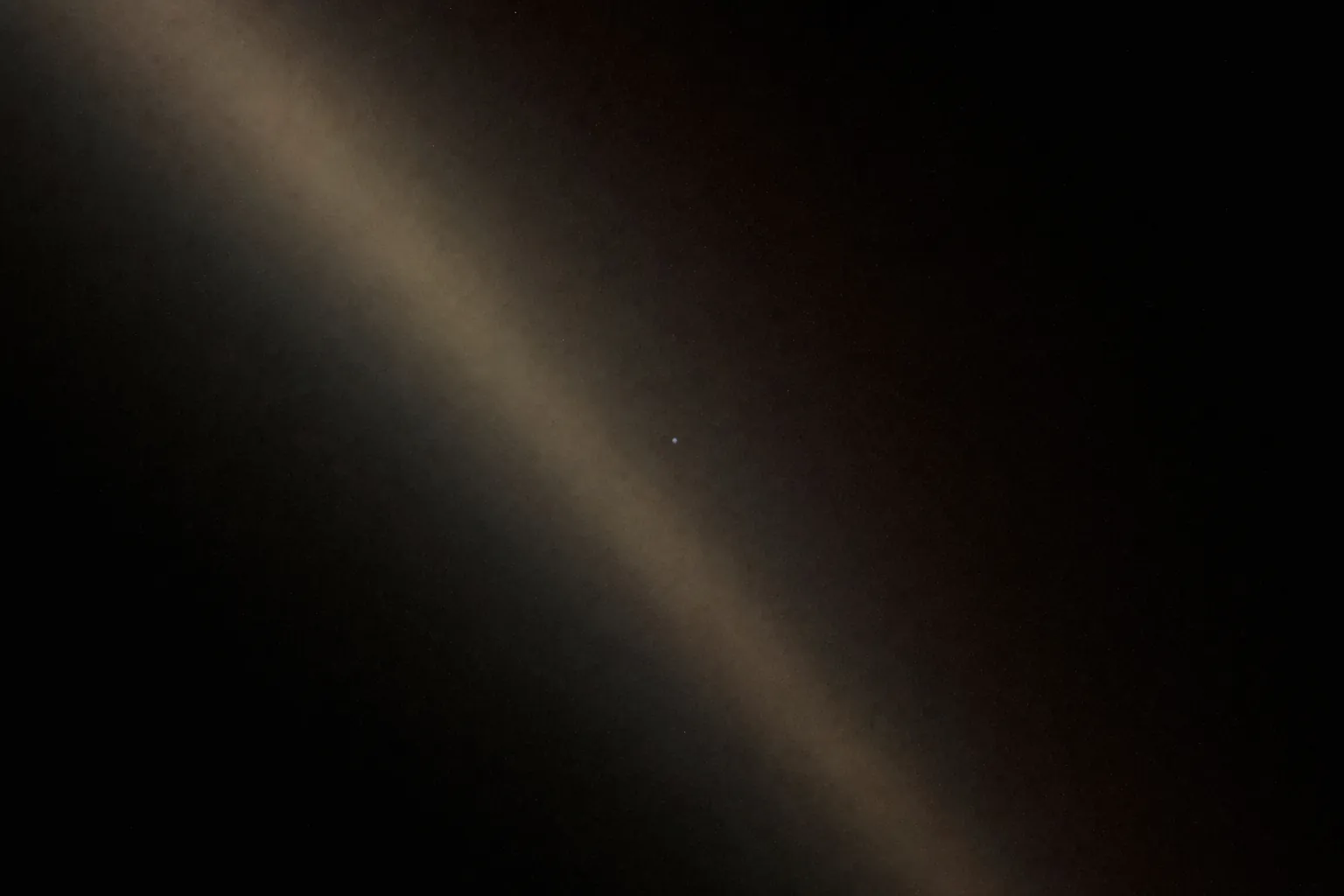
“Look again at that dot. That’s here. That’s home. That’s us... every human being who ever was, lived out their lives... on a mote of dust suspended in a sunbeam.”
Join the mission
Orbit should be a destination, not a privilege.
A weekly dispatch on launch economics, station programs and the claims worth correcting. No hype, no filler, every figure sourced.
This form is a preview: the dispatch list is not connected yet, so nothing is stored, sent, or subscribed.